
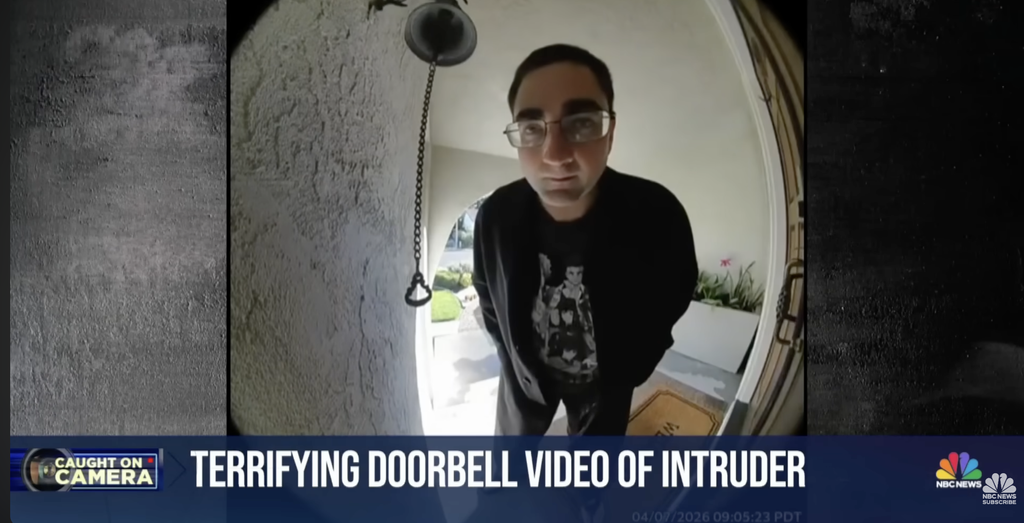
As defamation attorneys, we see all kinds of internet defamation scenarios. But what happens when internet defamation crosses the line into criminal harassment, and stalking?
All fifty states have criminal statutes against stalking and harassment. All fifty states have laws that allow courts to grant restraining orders against stalking and harassment as well. However, specific legal definitions of these terms can vary from state to state.
As an example, let’s contrast Washington’s approach to stalking and harassment with New Mexico’s.
Harassment & Stalking In Washington
Washington state defines harassment as any threat that places a person in reasonable fear for their physical safety. RCW 9A.46.020. Meanwhile, stalking is defined as any repeated act of harassment, or any repeated or non-consensual act of following, tracking, monitoring or contacting in a manner that places the other person in substantial emotional distress, or in reasonable fear for their physical safety. RCW 9A.46.110.
Washington law allows family courts to issue restraining orders against both stalking and harassment. RCW 7.105.050.
Harassment & Stalking In New Mexico
Under New Mexico law, harassment is defined as a pattern of conduct that is intended to annoy, seriously alarm or terrorize another person, and that would cause a reasonable person to suffer substantial emotional distress. N.M.S.A. § 30-3A-2. New Mexico law defines stalking as a pattern of conduct (meaning, two or more acts) intended to place a person in reasonable fear for their physical safety. N.M.S.A. § 30-3A-3.
As you can see, Washington’s definition of harassment is more stringent than New Mexico’s, because it requires an actual threat to do physical harm. On the other hand, Washington’s definition of stalking is less stringent than New Mexico’s, because it can be based on emotional distress, and not just fear of physical injury.
In New Mexico, the power to grant anti-harassment restraining orders is part of the inherent equitable power of the courts. In other words, New Mexico does not have a statute that specifies the requirements for anti-harassment restraining orders. On the other hand, New Mexico’s domestic violence statute empowers the courts to grant anti-stalking restraining orders. N.M.S.A. § 40-13-2.
As you can see, state law definitions of these offenses are all over the map. Washington’s definition of harassment is more stringent than New Mexico’s, because it specifically requires a threat of physical harm. However, New Mexico’s definition of stalking is more stringent than Washington’s because it requires a threat of physical harm, and not just emotional distress. However, despite these differences, both states provide the same essential restraining order remedies against the same kinds of misbehavior.
When Stalking & Harassment Meet Social Media
Harassment over the internet is incredibly common. Nowadays, when people want to hurt each other, they reach for their smartphone and start posting on social media. Internet-based harassment does not always meet the definition of stalking and harassment set forth in the criminal code. But when it does, the same remedies apply whether the misconduct is online, or on the street.
State appellate courts have also held that restraining orders may restrict speech where necessary to prevent criminal stalking and harassment.
For example, the Washington Court of Appeals has held that defamation “is not protected [speech] and, therefore, may be a basis for an anti-harassment order… The statute grants broad discretion to the trial court in devising an order that protects the victim.” State v. Noah, 103 Wash. App. 29, 9 P.3d 858 (2000).
In a case centered around online stalking, the New Mexico Court of Appeals held that, “The purpose of an order of protection is to prevent future harm to a protected party by a restrained party. To achieve this result, it is constitutionally permissible to limit a restrained party’s ability to engage in certain activity—including the exercise of his or her right to free speech.” Best v. Marino, 2017-NMCA-073, 404 P.3d 450.
How Can You Fight Cyberstalking?
If you are being targeted by unlawful stalking or harassment, or if you are being threatened, that could be a criminal matter, and you may need to contact law enforcement.
However, as we have seen, stalking and harassment also invoke civil law protections. When potential clients call us regarding internet harassment and defamation, one of the very first things we do is determine whether a restraining order may be an appropriate remedy. This is because a restraining order can be a comprehensive and effective way to obtain relief from online harassment. Furthermore, protective order proceedings are usually expedited. This means that a restraining order often takes less time (and money) than pursuing a civil lawsuit for damages.
If you are being stalked or harassed online and wish to explore civil protection, call us today. Late Night Law® is a dedicated defamation, privacy and social media law firm. If you are the target of doxxing, defamation or cyberstalking in New Mexico, in Washington, or in Texas, contact us at (505) 225-2623 to schedule a free consultation with a defamation attorney today.
This article is not legal advice, and does not create an attorney-client relationship between the reader and Late Night Law. Please consult an attorney for individualized advice if you have a legal matter.
All text content © Late Night Law 2025-2026.