
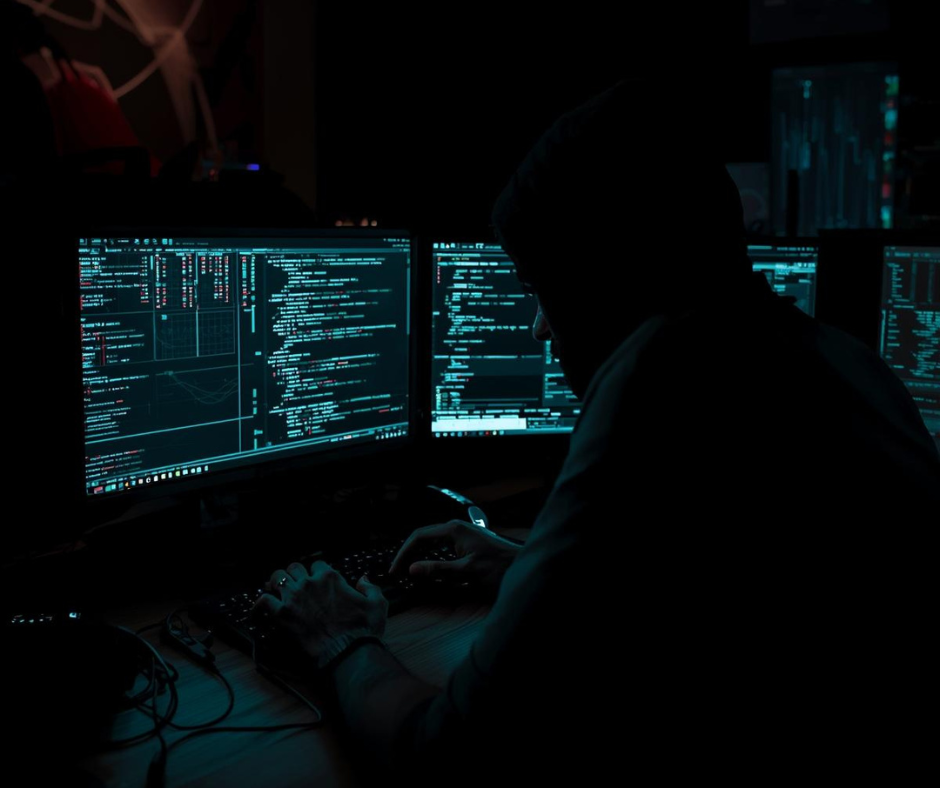
As a defamation law firm, one of the most common threats to reputation that we see on social media is doxxing.
What Is Doxxing?
Doxxing is perhaps the most damaging type of threat to individual privacy. Typically, doxxing occurs when personally identifying information is exposed on the internet, in an individually targeted manner meant to shame or intimidate somebody. Doxxing cases often go hand in hand with defamation.
The term “doxxing” is internet slang derived from the word “document” when used as a verb. It means to “document” somebody, i.e., to publish their personally identifying information. Most commonly, political operatives dox their opponents by attempting to identify and associate an anonymous social media or message board account to a specific individual.
Washington’s Anti-Doxxing Law
In 2023, Washington state legislators passed anti-doxxing legislation. The law, RCW 4.24.792, is not a criminal statute. Rather, it provides a civil cause of action, allowing victims of doxxing to sue the person who doxxed them. The law prohibits the publication of an individual’s personally identifying information without their consent, with intent to harm that individual, or with reckless disregard for the likelihood that harm will occur. The statute defines harm broadly, to include physical injury, significant economic injury, mental anguish, fear of serious bodily injury or death for the targeted person or a family member, or “a substantial life disruption,” which would seem to include losing a job or having to relocate.
How Does the First Amendment Relate to Doxxing?
The law also contains a laundry list of exceptions intended to protect legitimate First Amendment activity, such as reporting a crime, reporting for a news media outlet (as defined in another statute, RCW 5.68.010), requesting public records, and complying with legal process.
Interestingly, the Washington anti-doxxing law disallows, as a defense, the fact that the information published may have previously been published by the putative victim of the doxxing. This seems to raise constitutional issues by implicating the intent, and thereby the ideological content, of these publications. It may even run afoul of Washington’s own anti-SLAPP statute (RCW 4.105). For example, if you publish a public profile on LinkedIn, and someone on Instagram says “look, here’s his LinkedIn”—does the First Amendment allow states to create a tort claim against that? There may be red flags there.
Indeed, activists have expressed concern about Washington’s anti-doxxing law due to the possibility that its provisions run afoul of the First Amendment’s free speech guarantee. When this law is inevitably challenged, it will be interesting to see whether its enumerated exceptions and defenses can spare it from strict scrutiny under the First Amendment.
However, despite possible First Amendment issues, anti-doxxing laws like the one now on the books in Washington state can actually be a formidable mechanism for defending freedom of speech. That is because doxxing very often targets individuals online to intimidate them from engaging in political speech.
Anonymous speech is essential both to free and open public discourse, and to privacy rights. The founding fathers were aware of this, which is why they published the Federalist Papers under pseudonyms. Unfortunately, today, doxxing anonymous speakers for their political views has become a mainstream weapon in the culture wars.
Are There Other Forms of Doxxing?
Outside the political context, doxxing may also take the form of revenge porn, or social media influencers directing their followers to harass someone for commercial reasons. It could also involve defamatory and opportunistic accusations made online for personal reasons. But the bottom line is that, in today’s highly polarized political atmosphere, the effect of doxxing is to place a target on someone’s back.
Late Night Law® is a dedicated defamation, privacy and social media law firm. If you are the target of doxxing, defamation or cyberstalking in New Mexico, in Washington, or in Texas, contact us at (505) 225-2623 to schedule a free consultation with a defamation attorney today.
This article is not legal advice, and does not create an attorney-client relationship between the reader and Late Night Law. Please consult an attorney for individualized advice if you have a legal matter.
All text content © Late Night Law 2025-2026.